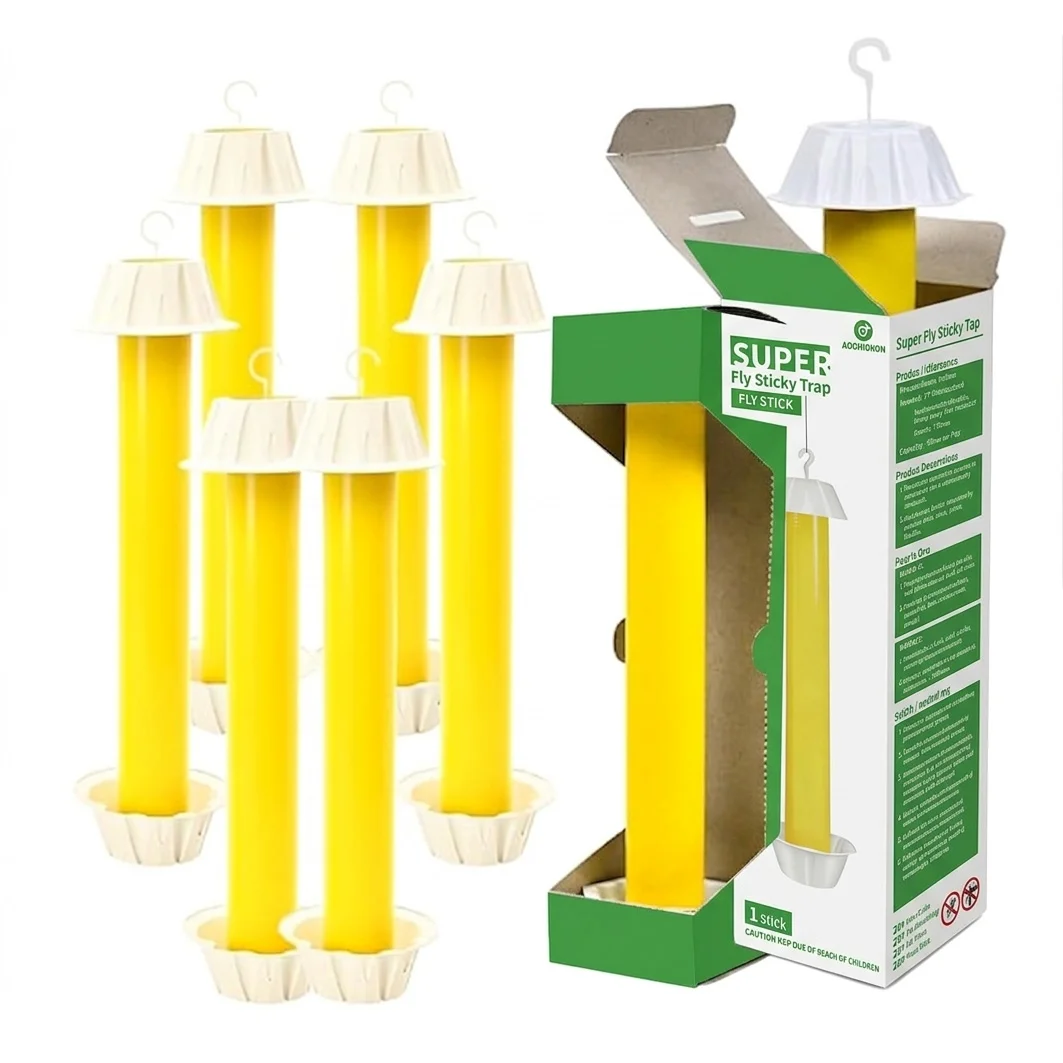
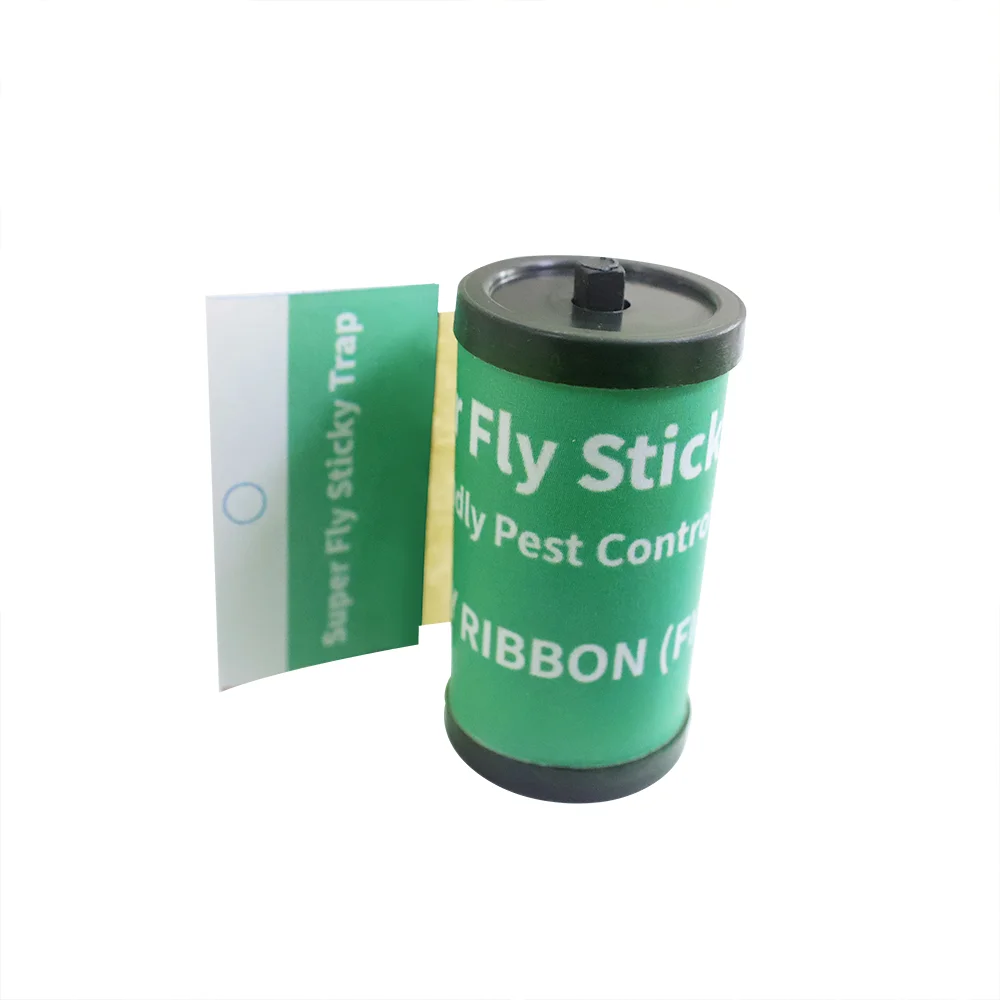
Anyone who's been around greenhouse floors or industrial hydroponic setups knows fungus gnats. Those tiny, persistent bugs that seem to appear out of nowhere, causing more headaches than you'd expect. Frankly, battling them with chemicals isn't always the best option—especially when you want to keep your ecosystem balanced. Enter yellow sticky traps for fungus gnats: a surprisingly effective, low-tech method that's been a quiet staple for a long time.
I remember my early years in the business, fumbling with different pest controls. The sticky traps, somewhat underestimated, quickly proved their worth. They’re not just about catching bugs; they’re a visual early warning system. When the gnats start to populate, those bright yellow cards become impossible to ignore.
Why Yellow? The Science Behind the Color
Oddly enough, it turns out fungus gnats are instinctively attracted to yellow — it mimics the color of new plant growth or certain flowers. So, these traps exploit that natural behavior. The sticky surface then practically does the rest, grabbing gnats mid-flight before they can wreak havoc on your roots.
Product Specifications – What to Look For
| Feature |
Specification |
| Dimensions |
6" x 8" card (standard) |
| Adhesive Type |
Non-toxic, water-resistant sticky coating |
| Color |
Bright fluorescent yellow |
| Lifespan |
4-6 weeks before replacement |
| Packaging |
Typically packs of 25 or 50 |
Comparing Top Vendors of Yellow Sticky Traps
| Vendor |
Price per Pack |
Adhesive Quality |
Customization Options |
Shipping Speed |
| HB Archerfish |
$$$ |
High tack, water-resistant |
Yes, custom sizes & prints |
2-4 business days |
| GreenGuard Solutions |
$$ |
Medium tack |
Limited |
5-7 business days |
| EcoTrap Inc. |
$ |
Standard tack |
None |
5-10 business days |
How to Deploy Yellow Sticky Traps Effectively
Getting the most out of these traps calls for some simple but key considerations. First, placement: put them near the growing medium, especially around potted plants or trays where fungus gnats like to breed. I've often found that clusters of traps spaced evenly give you better detection and control rather than just scattering them haphazardly.
The traps themselves can be mounted on thin stakes or simply taped to containers. This flexibility means they adapt well for different setups — whether you're dealing with a sprawling commercial greenhouse or a compact lab-scale system. Also, keep an eye on humidity and irrigation habits, since strong moisture encourages gnats in the first place.
From my experience, yellow sticky traps for fungus gnats work best as part of an integrated pest management approach. They’re a fantastic monitoring tool and reduce populations effectively, but pairing them with good cultural controls makes all the difference.
A Quick Anecdote
Years back, I advised a mid-size vertical farm struggling with gnats during wet-season swings. Introducing well-placed yellow sticky traps changed the game. The growers could spot infestation hotspots early, meaning they avoided costly pesticide application. They told me later the trap colors even helped newbies quickly identify problem areas — a bit of visual simplicity goes a long way in hectic environments.
Ultimately, these traps feel like humble but reliable allies. You know how in industry, sometimes the simplest solutions prove most effective? That’s exactly the case here.
So the next time pesky gnats threaten your operation, remember: a sticky yellow card might just be the unsung hero you need.
References & Further Reading
- University of California Agriculture and Natural Resources: Fungus Gnat Management
- Integrated Pest Management guidelines, USDA
- HB Archerfish product datasheets and user testimonials