19 January 2026
A black box rat trap is one of the most effective solutions for homes, warehouses, and farms. Its dark enclosure conceals the bait and trigger, attracting rats more efficiently. For example, a warehouse manager placed several black box rat traps along storage walls, reducing the rodent population within a few days. This type of trap is lightweight, durable, and reusable, making it a hygienic alternative to metal or wooden traps.
The black box design also keeps children and pets safe, preventing accidental contact. Proper placement along common rodent pathways, such as behind shelves, corners, and near doors, is critical to maximizing catch rates. Regular inspection, cleaning, and re-baiting ensure these traps continue to perform effectively for long-term pest control.
A black plastic rat trap provides a hygienic and reusable solution for rodent control in kitchens, garages, and storage areas. Constructed from durable ABS or polycarbonate plastics, it resists moisture, corrosion, and breakage. One restaurant owner placed multiple black plastic rat traps behind refrigerators and along pantry walls, maintaining sanitation while catching rodents efficiently.
Black plastic rat traps are easy to clean, making them suitable for repeated use without absorbing odors or residue. They are lightweight, portable, and practical for tight spaces. When used correctly, they provide safe, effective, and eco-friendly rodent control in homes and commercial settings.
A plastic bottle rat trap is a creative, cost-effective option for homeowners who prefer DIY solutions. By repurposing a common plastic bottle and creating an entry mechanism, users can capture rats safely and efficiently. For example, a family used a plastic bottle rat trap in the garage and captured several rodents without harming pets or children.
Key factors for effectiveness include proper bait placement and smooth interior surfaces. Peanut butter, chocolate, or grains attract rodents into the trap. After capture, the trap can be cleaned, re-baited, and reused. This solution is environmentally friendly, affordable, and practical for households seeking ethical, non-toxic pest control.
The plastic box rat trap offers a simple, effective, and family-safe method of rodent control. Its compact design allows placement in high-risk areas such as attics, basements, or storage rooms. One homeowner placed plastic box rat traps along walls and under shelving units, successfully reducing rat activity in one week.
Made from durable plastics, plastic box rat traps are reusable and easy to maintain. The secure bait compartment and trigger mechanism capture rodents quickly while minimizing risk to children and pets. These traps are suitable for homes, offices, and commercial spaces where safety, hygiene, and efficiency are essential.
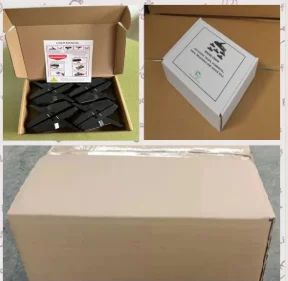
A PVC pipe rat trap is ideal for gardeners, farmers, and DIY enthusiasts. Using PVC pipes, one can create an enclosed channel leading to a trap chamber with bait at the end. A gardener placed several PVC pipe rat traps around a vegetable garden, effectively capturing rodents while protecting crops.
PVC pipe traps are durable, weather-resistant, and reusable. They are perfect for outdoor placement along fences, garden perimeters, or sheds. Connecting multiple PVC pipe traps creates an efficient rodent management system, keeping rats away while maintaining safety for children, pets, and wildlife.
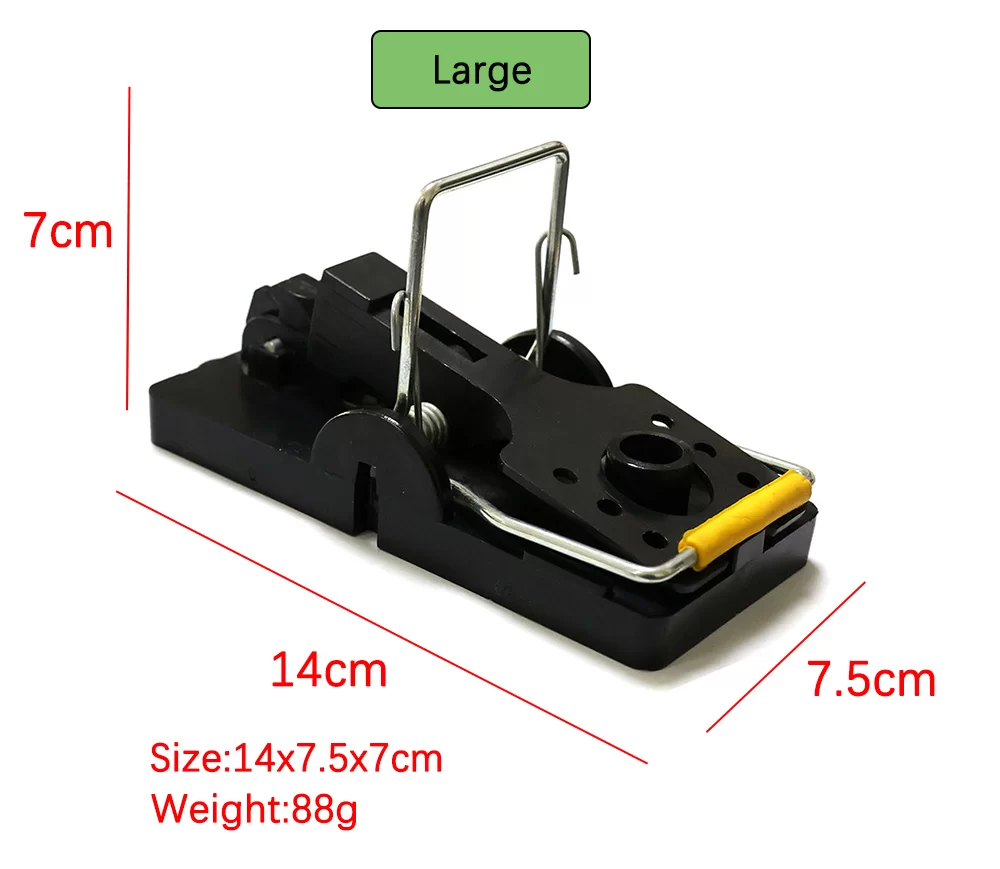
A plastic mouse trap is a modern, reusable device designed to capture or kill house mice efficiently. Made from durable plastics like ABS or polycarbonate, it offers a hygienic and cost-effective alternative to metal or wooden traps.
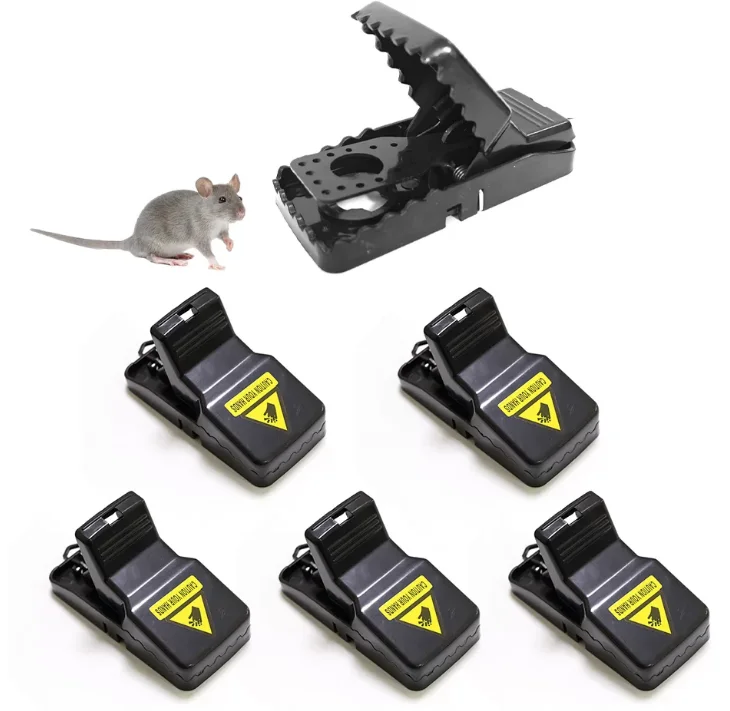
Baiting: Place attractive bait (peanut butter, chocolate, seeds) on the trigger pedal inside the bait cup.
Setting: Pull back and secure the kill bar using the plastic mechanism; specific steps depend on the trap model.
Triggering: When a mouse or rat steps on the pedal, the kill bar snaps down, eliminating the rodent instantly.
Disposal/Reset: Wearing gloves, lift the release lever to remove the rodent. Clean the trap, re-bait, and reset for ongoing use.
These steps ensure that traps are effective, hygienic, and safe for both indoor and outdoor environments. Proper placement along walls, behind furniture, or in dark corners maximizes results.
When choosing traps, it is important to understand their strengths:
Black box rat traps: Best for concealed placement, attractive to rats, and safe for children/pets.
Black plastic rat traps: Durable, reusable, and effective in multiple indoor settings.
Plastic bottle rat traps: DIY-friendly, inexpensive, and eco-friendly, suitable for home use.
Plastic box rat traps: Quick setup, family-safe, hygienic, and practical for repeated use.
PVC pipe rat traps: Excellent for outdoor use, garden protection, and large-scale rodent control.
By understanding the advantages of each type, homeowners, farmers, and business owners can choose the most suitable solution for their environment and rodent control goals.
Always wear gloves when handling traps to prevent contamination.
Clean traps thoroughly after each use with warm water and mild detergent.
Place traps in areas inaccessible to children and pets to prevent accidents.
Re-bait and reset traps regularly to maintain high catch rates.
Store reusable traps in a dry place to extend durability.
Following these simple safety and hygiene measures ensures effective, long-term rodent control while protecting your family, pets, and environment.
Choose based on rodent size, trap placement, and area coverage. Black box traps are effective for hidden, enclosed spaces.
Yes, simply clean, re-bait, and reset. They are cost-effective and environmentally friendly.
Absolutely. The enclosed design prevents accidental contact while ensuring hygienic rodent capture.
Rats enter the pipe, follow the bait inside, and trigger the trap mechanism. Multiple connected traps provide efficient coverage.
Visit our website to explore black box, plastic bottle, plastic box, and PVC pipe rat traps. Factory-direct pricing and durable, reusable designs make them practical and cost-effective for every household or business.
Apr 03, 26
Types of Rodent Traps: Choosing the Best Solution for Pest Control
Rodent infestations are a serious concern in both residential and commercial spaces. Rats and mice not only damage property but also pose significant health risks by contaminating food and spreading disease.

Feb 02, 26
Effective Pest Control with Yellow Sticky Trap Use and Best Practices
Dec 08, 25
How to Use Bed Bug Glue Trap: Guide, Benefits & Best Practices
Feb 03, 26
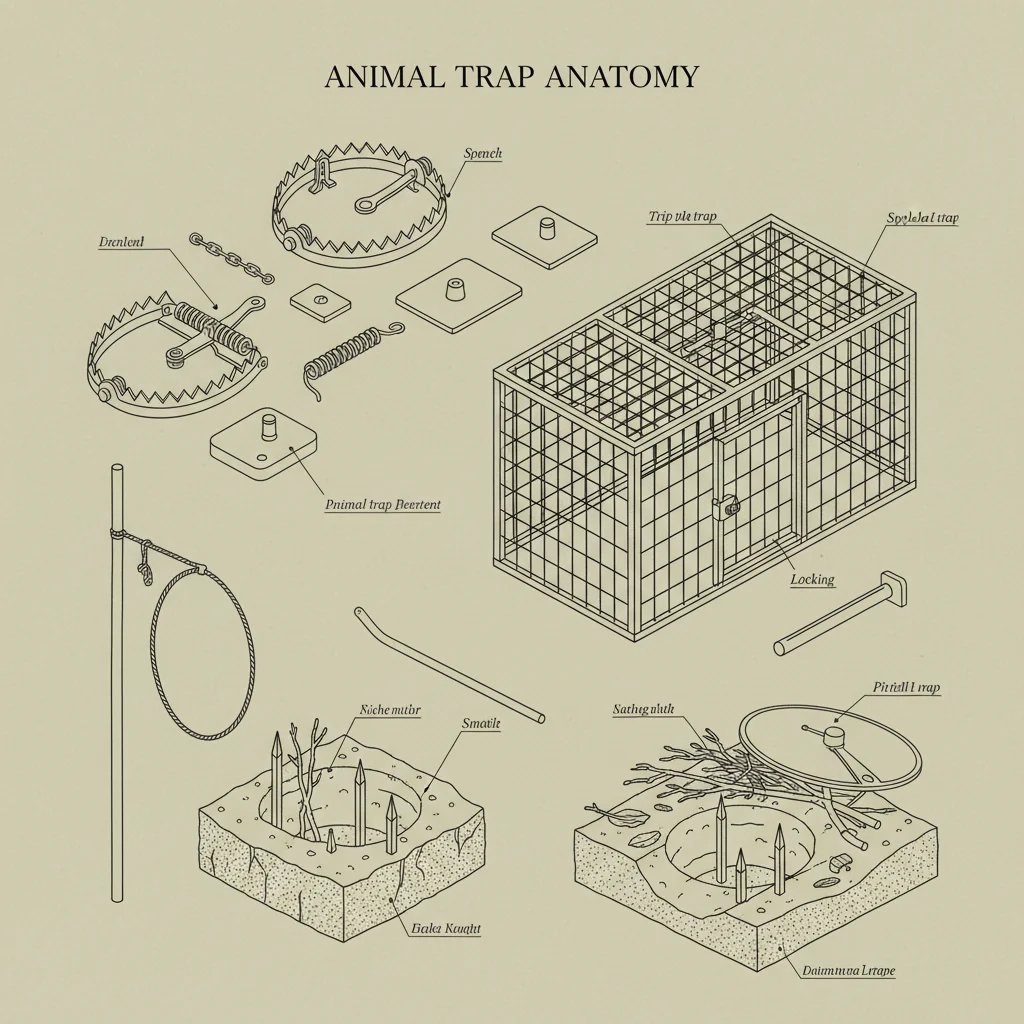
Exploring the Landscape of Types of Animal Traps Design and Material Choices