Yellow Whitefly Traps: A Simple Yet Crucial Solution in Pest Management
Yellow whitefly traps may sound modest, but they are a surprisingly vital tool in agriculture and horticulture worldwide. These traps help farmers and gardeners control the pesky whitefly populations that damage crops, lower yields, and disrupt sustainable farming efforts. Globally, with agriculture facing unprecedented challenges due to climate change and increasing demands, understanding how yellow whitefly traps work and their real benefits is becoming ever more important.
Introduction: Why Yellow Whitefly Traps Matter Globally
Whiteflies are a worldwide agricultural nuisance, known for spreading plant diseases and weakening crops by feeding on sap. According to the Food and Agriculture Organization (FAO), crop losses due to pest infestations account for up to 40% globally. In this context, yellow whitefly traps offer a low-cost, environmentally friendly way to curb infestations without heavy reliance on chemical pesticides. Oddly enough, while modern agriculture pushes towards automation and biotech, these traps remain a simple and effective frontline defense.
yellow whitefly traps can reduce chemical use, helping smallholder farmers in developing nations who lack access to expensive inputs, while supporting sustainable crop production in advanced agro-industries. It's a classic example of a low-tech solution with high impact potential.
What Are Yellow Whitefly Traps?
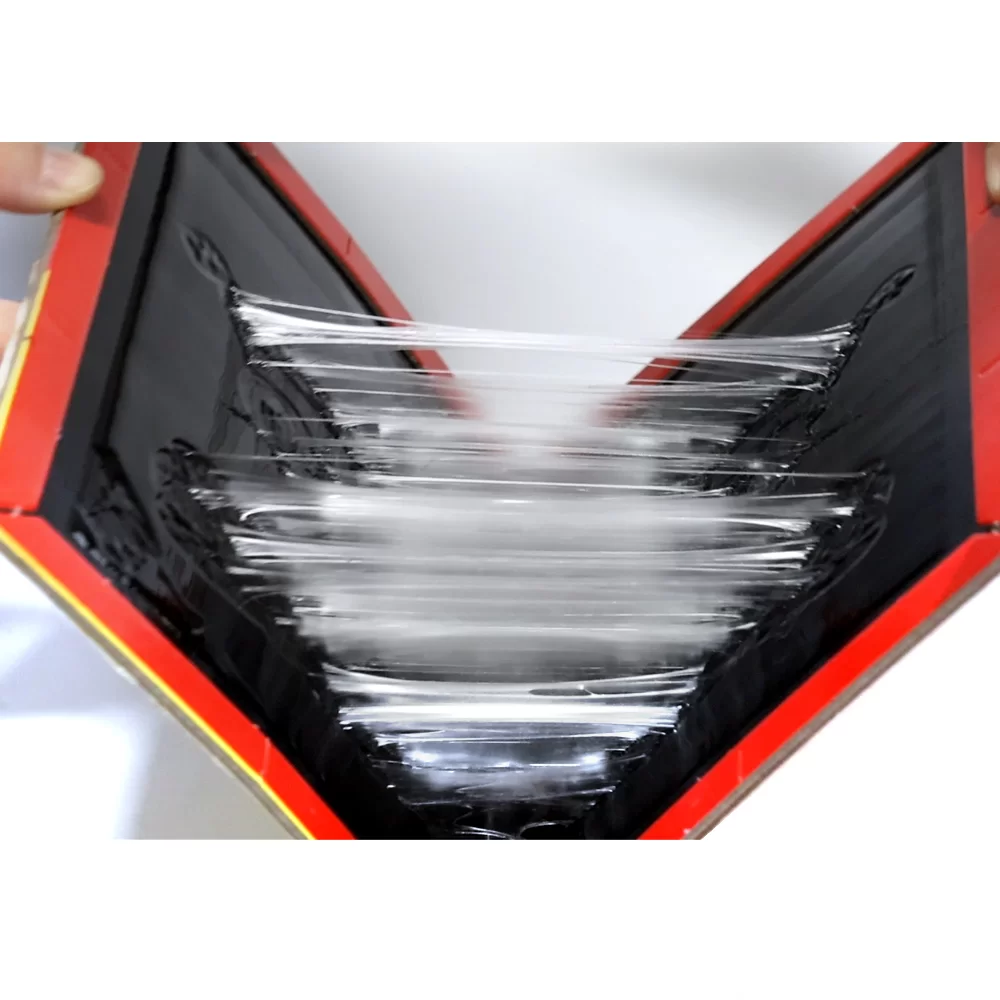
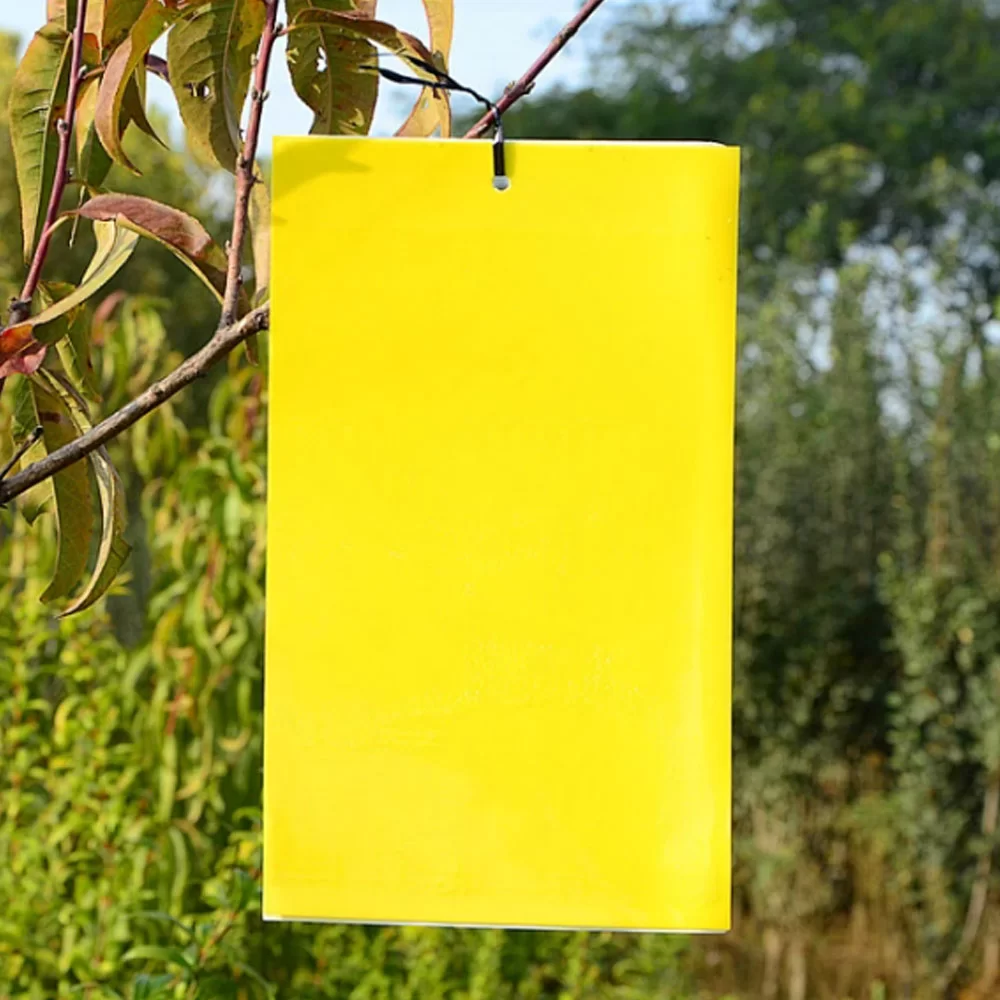
Simply put, yellow whitefly traps are bright yellow panels or cards coated with a sticky adhesive that attract and capture whiteflies. The color yellow is particularly attractive to these insects, so when placed strategically near crops, the traps lure whiteflies away from plants, reducing infestations naturally.
Though it sounds basic, this approach plays into modern pest management strategies emphasizing integrated pest management (IPM). It aligns with global sustainability standards such as ISO 14001, targeting reduced pesticide usage and enhanced environmental safety.
Key Factors in Yellow Whitefly Trap Effectiveness
1. Color and Visibility
The intense yellow hue is scientifically proven to attract whiteflies, based on studies in entomology. Without this characteristic, the traps wouldn't be effective. It’s a neat biological hack that nature lovers appreciate.
2. Adhesive Quality
Good traps use a non-toxic, long-lasting adhesive to capture insects upon contact. Durability here matters — if the adhesive dries out too fast, the trap loses value quickly and must be replaced.
3. Size and Placement
The traps’ dimensions affect their success. Larger panels cover more area but can be cumbersome; smaller cards are easier to handle but might require more units for effective control. Strategic placement near vulnerable plants or nursery beds maximizes results.
4. Reusability and Cost Efficiency
Some traps are single-use, others reusable after washing off dead insects. Cost-conscious farmers especially value durability and reusability given their limited budgets. It’s a practical, earthy concern.
Global Applications & Use Cases
From greenhouses in Europe to open-field farming in Africa and Asia, yellow whitefly traps are deployed worldwide. In the US and Australia, commercial vegetable producers incorporate these traps as part of sustainable growing programs.
- In post-disaster relief efforts, rescue agricultural kits often include these traps to quickly restore food production capacity.
- Remote organic farms rely on them due to the prohibition of synthetic pesticides.
- Research institutions use traps in experiments to monitor whitefly populations and virus spread.
Each context reveals how these traps adapt seamlessly to diverse environments, underscoring their versatility.
Advantages & Long-Term Value
- Cost-Effectiveness: Yellow whitefly traps are inexpensive compared to chemical sprays and machinery.
- Eco-Friendly: They reduce pesticide reliance, supporting healthier ecosystems and worker safety.
- Crop Protection: Healthy crops mean better yields, food security, and income stability.
- User-Friendly: Simple to deploy and maintain, suitable for non-expert users.
- Social Impact: Encourages community-based pest management solutions fostering trust and shared learning.
Frankly, the emotional reassurance that crops are protected with minimal hazard makes a difference for farmers knowingly investing in their land and livelihood for the long term.
Future Trends & Innovations
The future for yellow whitefly traps is not just sticking bugs on cards! Innovations include:
- Biodegradable Materials: New eco-friendly substrates that decay after use, reducing plastic waste.
- Smart Traps: Digital sensors embedded to count trapped insects, sending real-time data to farmers for precise monitoring.
- Integrated Pest Management (IPM) Programs: Combining traps with beneficial insects and minimal pesticide spraying for holistic control.
- Improved Adhesives: Longer-lasting, weather-resistant glues that maintain effectiveness in harsh climates.
Automation and data analytics might soon make these humble traps part of “precision farming” platforms, oddly enough blending old-school lure tactics with cutting-edge tech.
Challenges & Solutions
Despite their many benefits, yellow whitefly traps face a few hurdles:
- Limited Range: Traps affect only localized areas; scaling up requires many units strategically placed.
- Weather Sensitivity: Rain and dust can degrade adhesiveness.
- Non-Specific Attraction: Some beneficial insects may also stick, which could disrupt local ecology.
Innovative solutions include weather-resistant coatings, trap designs minimizing non-target catches, and increased farmer training to optimize use. Partnerships between agricultural NGOs and governments, supported by scientific institutions, are critical to address these issues sustainably.
Product Specifications of Typical Yellow Whitefly Traps
| Feature |
Specification |
| Color |
Sigma Bright Yellow (λ= 580 nm approx.) |
| Dimensions |
20 cm x 15 cm (typical panel) |
| Adhesive Type |
Non-toxic, synthetic resin-based |
| UV Resistance |
Up to 4 weeks under direct sunlight |
| Reusable |
Usually single-use; some models washable |
Vendor Comparison: Popular Yellow Whitefly Traps
| Vendor |
Price per Pack |
Durability |
Eco-Friendliness |
Additional Features |
| AgroTrap Ltd. |
$15 (10 cards) |
3 weeks UV resistant |
Standard synthetic materials |
Bulk discounts available |
| EcoGreen Solutions |
$18 (10 cards) |
4 weeks, biodegradable base |
100% biodegradable |
Recyclable packaging |
| FarmProtect Co. |
$20 (8 cards) |
5 weeks UV resistant |
Standard, not biodegradable |
Slim design for tight spaces |
FAQ: Frequently Asked Questions About Yellow Whitefly Traps
- How do yellow whitefly traps reduce pesticide use?
- By attracting and capturing whiteflies before they damage crops, these traps decrease the need for chemical sprays. This approach supports integrated pest management, making control safer and more sustainable.
- Can yellow whitefly traps be used outdoors in rainy climates?
- Most traps are weather-resistant for short periods, but heavy rain can reduce adhesive effectiveness. For rainy zones, it’s best to use traps with UV and moisture-resistant coatings or place them under light shelter.
- Are these traps harmful to beneficial insects?
- While designed to attract whiteflies, yellow traps can catch other flying insects, including some beneficial ones. Proper trap placement and timing can help minimize unintended captures.
- How often should yellow whitefly traps be replaced?
- Typically, traps are effective for 3-4 weeks before sticky surfaces degrade or become saturated with insects. Regular monitoring helps determine exact replacement intervals based on infestation severity.
Conclusion: Long-Term Benefits and Next Steps
Yellow whitefly traps combine simplicity with impact, offering a tested, eco-sensitive solution that benefits farmers, ecosystems, and food production worldwide. By reducing reliance on pesticides and promoting sustainable farming, they help meet future agricultural challenges head-on.
Interested in learning more or sourcing quality yellow whitefly traps? Visit our website: https://www.hbarcherfish.com – your one-stop resource for effective pest management solutions.
Mini takeaway: Sometimes, the best innovations are the simplest — yellow whitefly traps remind us that good design can be low-tech yet high-impact.
References
- FAO - Crop Pest Management
- Wikipedia - Whitefly
- ISO 14001 Environmental Management