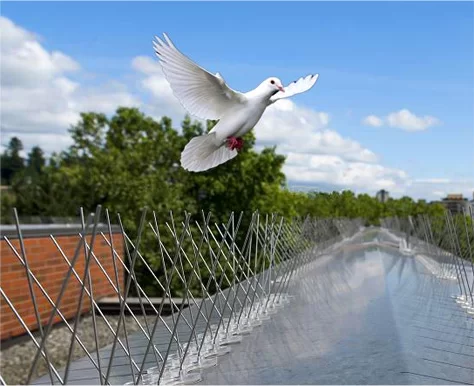
Pigeon nets and spikes represent a crucial aspect of urban wildlife management and property protection, gaining increasing importance globally as human populations concentrate in cities. The issue of pigeon populations isn't merely a nuisance; it poses significant health risks due to droppings, potential structural damage to buildings, and disruption of historical monuments. Understanding the effective application of pigeon nets and spikes is, therefore, vital for safeguarding public health, preserving infrastructure, and maintaining the aesthetic appeal of urban landscapes. The demand for effective pigeon control solutions is driven by factors like urbanization, climate change impacting bird migration patterns, and increasing awareness of hygiene and disease prevention. Globally, the market for bird control solutions, including pigeon nets and spikes, is projected for continued growth. Organizations like the World Health Organization highlight the public health implications of avian populations in urban environments, further fueling the need for proactive management strategies.
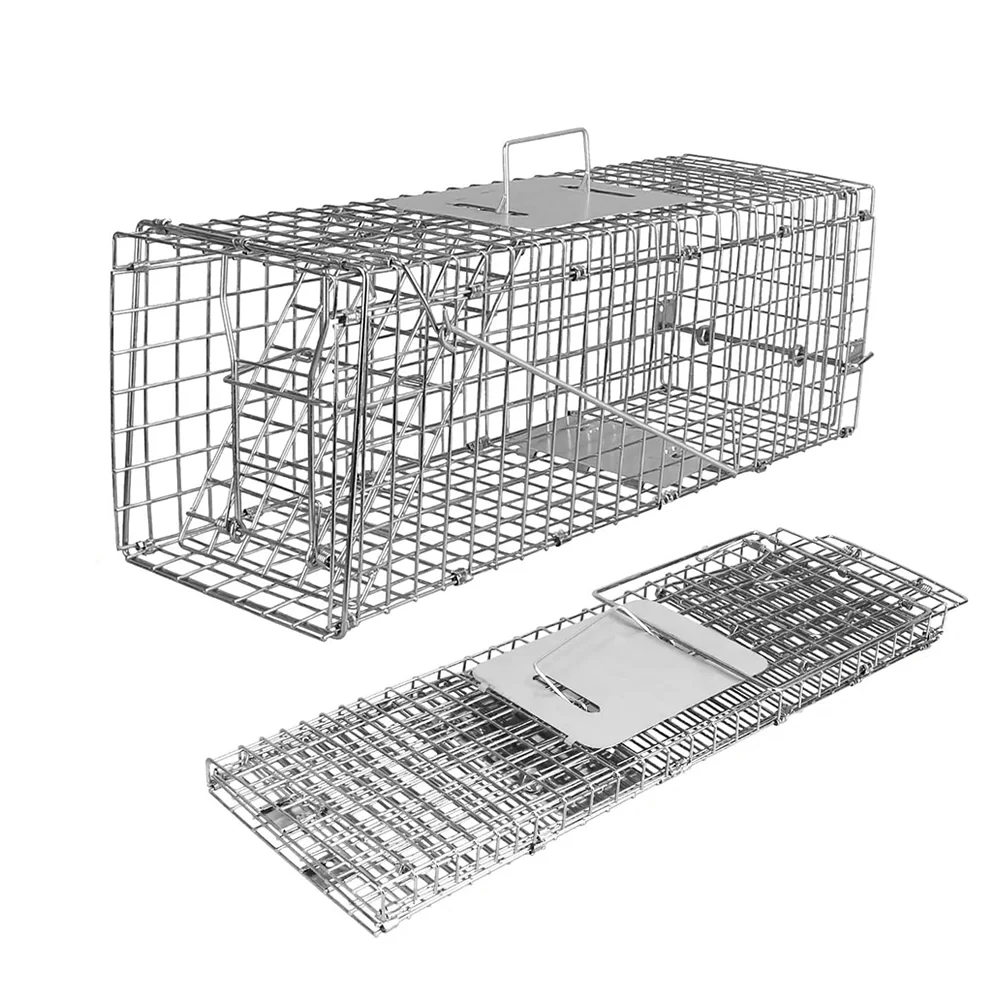
Leg traps, often associated with historical hunting practices, represent a surprisingly versatile and increasingly relevant technology in modern applications. While traditionally employed for capturing animals, the core principles of controlled engagement, reliable triggering mechanisms, and secure containment are being adapted for a range of critical functions, from wildlife management and invasive species control to innovative engineering solutions. Understanding the intricacies of leg traps, beyond their historical context, offers valuable insights into mechanics, material science, and responsible resource management. The global need for effective and adaptable capture and control mechanisms is growing. Climate change is shifting animal distributions, leading to increased human-wildlife conflict. Invasive species threaten biodiversity and agricultural productivity. Furthermore, advancements in engineering often require robust and reliable components for testing and containment.