Understanding the diverse types of mouse traps is crucial in modern pest control, extending beyond simple home defense to impacting public health, agriculture, and food security globally. The proliferation of rodent populations can lead to significant economic losses through crop damage, contamination of food supplies, and the spread of diseases. Effective mouse control isn't just about eliminating a nuisance; it’s a vital component of preventative public health measures and sustainable agricultural practices.
The global pest control market is a multi-billion dollar industry, with a substantial portion dedicated to rodent control. According to recent market analyses, the demand for innovative and humane trapping solutions is steadily increasing, driven by consumer awareness and evolving ethical considerations. The United Nations Food and Agriculture Organization (FAO) emphasizes the importance of integrated pest management strategies, of which effective trapping is a core component, to minimize reliance on harmful pesticides.
Ultimately, a comprehensive understanding of types of mouse traps enables informed decision-making, leading to more effective, ethical, and sustainable pest management strategies. This knowledge benefits homeowners, farmers, public health officials, and the broader global community by mitigating the risks associated with rodent infestations.
Introduction to Types of Mouse Traps
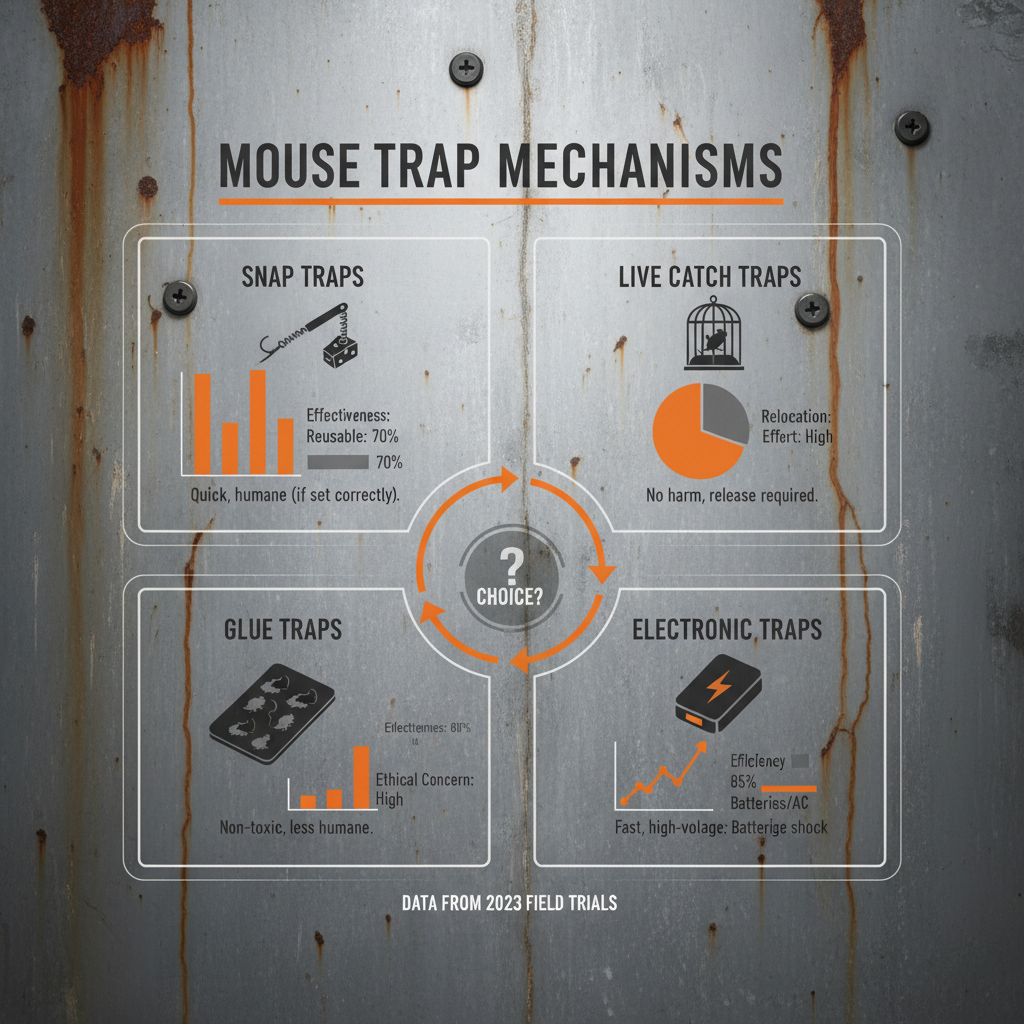
The term 'types of mouse traps' encompasses a broad spectrum of devices designed to capture and, in some cases, kill rodents. These range from traditional snap traps to more modern, humane options like live capture traps and electronic devices. Understanding the differences between these various methods is paramount to selecting the most appropriate solution for a given situation, considering factors like infestation severity, ethical concerns, and environmental impact.
The effectiveness of a particular type of mouse trap is heavily influenced by the behavior of the mice themselves. Mice are naturally cautious and neophobic, meaning they are fearful of new objects. Therefore, a one-size-fits-all approach rarely works, and often a combination of methods and strategic placement is required for successful control.
Defining Types of Mouse Traps
Types of mouse traps are categorized by their mechanism of action and intended outcome. At their core, they are devices specifically engineered to capture or eliminate house mice (Mus musculus) and, less frequently, other small rodents. This category extends beyond simple mechanical devices and now includes electronic traps, glue boards, and even preventative barriers. The defining characteristic is their focus on rodent control.
The modern need for diverse types of mouse traps arises from evolving perspectives on pest management. Historically, the emphasis was solely on eradication. However, growing concerns regarding animal welfare and the potential environmental impact of lethal methods have fueled the demand for humane, non-toxic alternatives. Integrated Pest Management (IPM) strategies often prioritize trapping over widespread pesticide use.
Understanding the distinction between lethal and non-lethal traps is crucial. Lethal traps, like snap traps, are designed to kill the mouse instantly, while non-lethal traps, such as live capture traps, aim to contain the mouse for relocation. The choice between these methods often depends on local regulations, personal ethics, and the severity of the infestation.
Core Components of Mouse Traps
Several key factors determine the efficacy and suitability of different types of mouse traps. Durability is paramount, especially for reusable traps, ensuring they can withstand repeated use and cleaning. Sensitivity, referring to the trigger mechanism, impacts the likelihood of a successful capture. A highly sensitive trap is more likely to activate with minimal pressure, increasing the chances of catching a wary mouse.
Another crucial aspect is ease of use and safety. Traps should be relatively simple to set and operate, minimizing the risk of accidental injury to humans or pets. Hygiene is also important, particularly for traps used with bait, as these can attract other pests or create unsanitary conditions. Finally, cost-effectiveness plays a role, balancing initial investment with long-term value and effectiveness.
The materials used in construction also contribute significantly to the overall performance. Plastic traps are often lightweight and inexpensive, but may be less durable. Metal traps are typically more robust but can be more expensive. The choice of material often depends on the intended application and budget. The bait used in conjunction with a trap also plays a vital role in success rate.
Global Applications of Mouse Traps
The application of types of mouse traps is widespread across numerous sectors. In residential settings, they are used to protect homes from damage and health risks associated with rodent infestations. Agricultural environments utilize traps to safeguard crops and stored grains from rodent consumption. Food processing facilities rely heavily on trapping to maintain sanitary conditions and prevent contamination.
In public health, mouse traps are essential in controlling the spread of diseases carried by rodents, such as hantavirus and leptospirosis. Developing countries often face greater challenges with rodent control due to limited resources and inadequate sanitation, making effective trapping solutions particularly crucial. Organizations like the World Health Organization (WHO) promote integrated pest management strategies that include trapping as a key component.
Even in remote industrial zones, such as mining camps and research stations, mouse traps play a vital role in maintaining a habitable and sanitary environment. In post-disaster relief operations, providing basic pest control supplies, including traps, can help prevent the outbreak of disease and protect stored food supplies.
Comparative Effectiveness of Types of Mouse Traps
Advantages of Utilizing Diverse Traps
Employing a variety of types of mouse traps offers significant advantages over relying on a single method. It reduces the likelihood of mice developing trap shyness – a learned avoidance behavior – by presenting them with different challenges. This also allows for a more targeted approach, adapting to the specific conditions of the infestation and the surrounding environment.
Long-term value is increased through the use of reusable traps, reducing the ongoing cost of replacement. Humane trapping methods contribute to a positive public image and align with growing ethical concerns. Furthermore, a well-planned trapping strategy can minimize reliance on potentially harmful pesticides, promoting a more sustainable approach to pest management.
Future Trends in Mouse Trap Technology
The future of types of mouse traps is leaning heavily towards smart technology and increased automation. Development is underway on traps equipped with sensors that can detect mouse activity and send alerts to homeowners or pest control professionals. These “smart traps” can provide valuable data on infestation levels and patterns.
Research is also focusing on creating more eco-friendly traps utilizing biodegradable materials and non-toxic bait. Integration with Internet of Things (IoT) devices promises remote monitoring and control, allowing for proactive pest management. Furthermore, advancements in materials science are leading to the development of traps that are both more durable and more sensitive.
Challenges and Innovative Solutions
Despite advancements, challenges remain in effective mouse control. Trap shyness continues to be a significant obstacle, requiring innovative solutions like rotating trap types and using attractants strategically. The ethical concerns surrounding lethal traps also persist, driving the demand for humane alternatives.
One promising solution is the development of traps that combine capture with non-lethal immobilization, allowing for relocation without causing undue stress to the animal. Another approach involves utilizing pheromones to attract mice to traps, overcoming their natural cautiousness. Continued research into mouse behavior and trap design is essential to address these ongoing challenges.
The increasing prevalence of insecticide resistance in rodents also poses a challenge, highlighting the importance of relying on physical trapping methods as a primary control strategy. By focusing on integrated pest management, combining trapping with preventative measures and habitat modification, we can achieve more sustainable and effective rodent control.
Summary of Mouse Trap Characteristics
| Trap Type |
Effectiveness |
Humane Factor |
Cost |
| Snap Trap |
9/10 |
2/10 |
$1-$5 |
| Live Capture Trap |
7/10 |
9/10 |
$10-$30 |
| Glue Board |
6/10 |
1/10 |
$5-$15 |
| Electronic Trap |
8/10 |
5/10 |
$30-$60 |
| Multi-Catch Trap |
7/10 |
7/10 |
$20-$40 |
| Tunnel Trap |
6/10 |
8/10 |
$15-$25 |
FAQS
For a severe infestation, a combination of methods is best. Start with snap traps for quick knockdown, supplemented by live capture traps to address any that avoid the snap traps. Regular monitoring and replenishment of bait are crucial. Consider professional pest control if the problem persists. Focusing on sanitation and sealing entry points is also vital.
Glue traps are generally not considered a humane option. Mice caught in glue traps experience significant stress and prolonged suffering. They often struggle for hours or days, and may injure themselves trying to escape. Ethical pest control practices generally favor methods that offer a quicker, less stressful outcome for the animal.
Bait should be checked and replaced every 2-3 days, or more frequently if it becomes soiled or dried out. Fresh bait is more attractive to mice. Consider rotating bait types to prevent mice from developing a preference or aversion. Peanut butter, chocolate spread, and bacon are commonly used and effective bait options.
Relocate the mouse at least one mile away from your property to prevent it from returning. Choose a habitat that provides food and shelter. Avoid releasing the mouse near other homes or buildings. Always wear gloves when handling the trap and the mouse to protect yourself from potential diseases.
Seal any cracks or holes in your foundation and walls. Cover vents and openings with fine mesh screening. Keep food stored in airtight containers. Eliminate clutter and debris that provide hiding places. Maintain a clean and sanitary environment, both indoors and outdoors. Proper sanitation is a key component of prevention.
Electronic mouse traps can be safe if used correctly and placed out of reach of pets and children. Choose models with safety features like enclosed bait chambers. Always read and follow the manufacturer's instructions carefully. Supervise placement and regularly check the traps to ensure no unintended access occurs.
Conclusion
Understanding the diverse landscape of types of mouse traps is critical for effective and responsible pest management. From traditional snap traps to innovative electronic devices, the options available cater to a wide range of needs and ethical considerations. A nuanced approach, incorporating preventative measures, strategic trap placement, and a consideration for humane practices, is essential for long-term success.
Moving forward, continued research and development in this field will undoubtedly yield even more efficient, environmentally friendly, and ethical solutions. By embracing innovative technologies and adopting integrated pest management strategies, we can minimize the impact of rodent infestations on public health, agriculture, and the environment. Visit our website at www.hbarcherfish.com to learn more about our range of mouse control solutions.