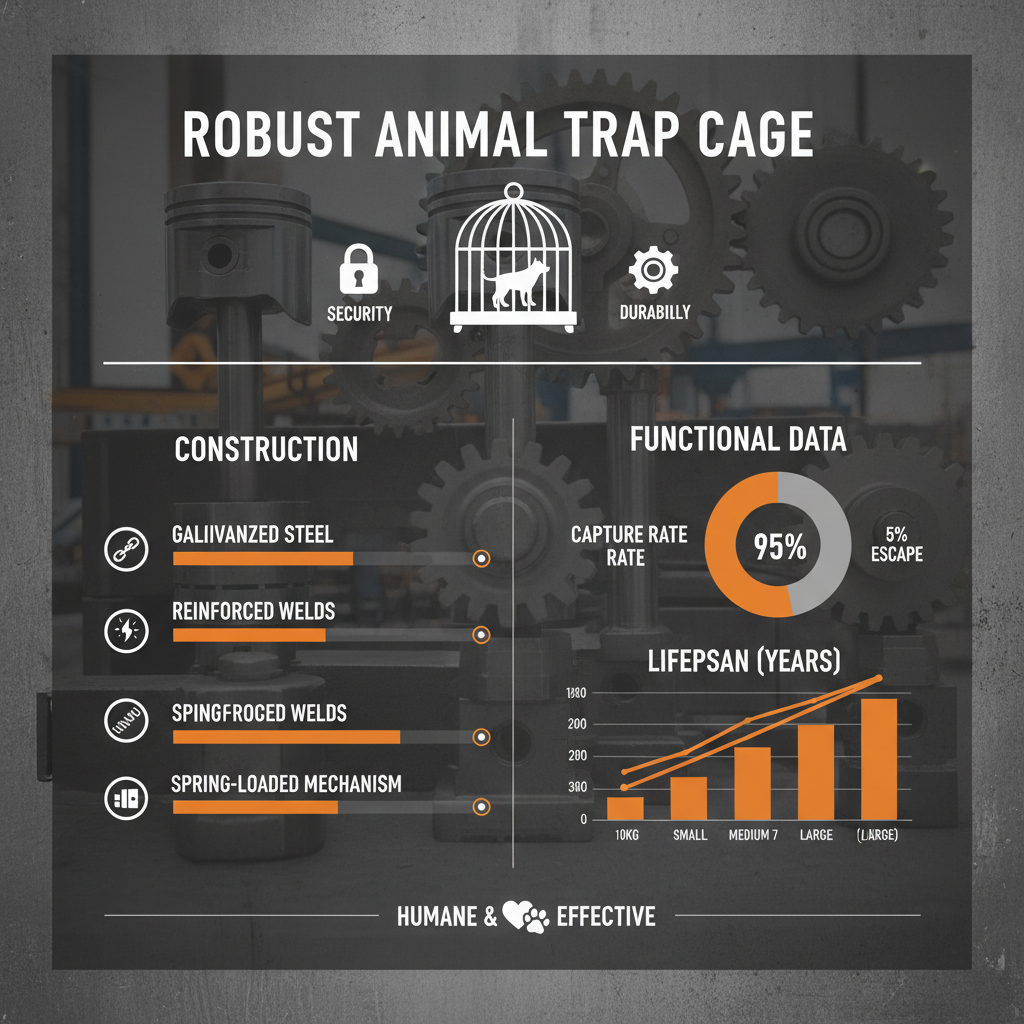
Animal trap cages represent a critical intersection of wildlife management, conservation efforts, and human-animal conflict resolution. Globally, the need for humane and effective trapping solutions is growing, driven by factors like habitat loss, increasing human populations, and the spread of invasive species. Understanding the intricacies of animal trap cage design, deployment, and ethical considerations is paramount for ensuring both animal welfare and public safety. The demand for these cages is projected to increase as conservation initiatives expand and proactive wildlife management becomes more prevalent.
The effective use of an animal trap cage isn't merely about capture; it's about responsible intervention. From researchers monitoring wildlife populations to animal control officers managing urban wildlife, and even homeowners dealing with nuisance animals, the ability to safely and humanely capture animals is vital. Innovations in cage materials, locking mechanisms, and designs are continually improving efficiency and reducing stress for captured animals. animal trap cage solutions provide a valuable tool for professionals and individuals alike.
Furthermore, the use of animal trap cages extends beyond simply removing unwanted animals. They play a crucial role in trap-neuter-release (TNR) programs for feral cats, wildlife rehabilitation efforts, and research projects aimed at studying animal behavior and disease. The advancements in cage technology are increasingly focused on minimizing trauma and maximizing the chances of successful release or rehabilitation.
The Importance of Animal Trap Cages
Animal trap cages play a crucial role in managing wildlife populations and mitigating human-animal conflict. Their importance stems from the need for humane and effective methods of capturing animals for various purposes, including research, relocation, and control of nuisance or invasive species. The increasing demand for animal trap cages reflects a growing awareness of the importance of responsible wildlife management practices. animal trap cage are vital for conservation.
Beyond simply capturing animals, high-quality animal trap cages prioritize animal welfare. Design features such as smooth edges, adequate ventilation, and appropriate sizes minimize stress and potential injury to the captured animal. The selection of a suitable cage is critical for ensuring a successful and ethical outcome, whether the goal is relocation, veterinary care, or population monitoring.
Defining Animal Trap Cages and Their Applications
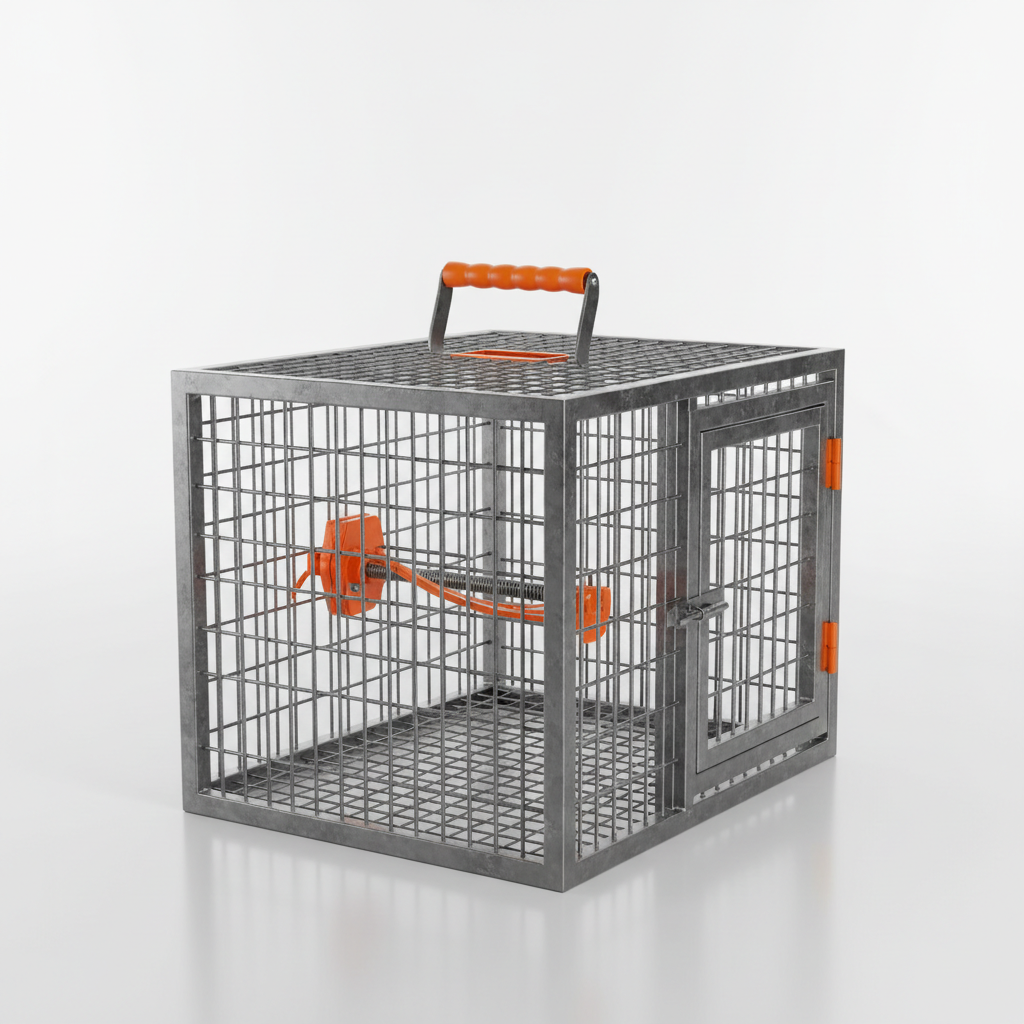
An animal trap cage is a device designed to capture animals without causing them harm. Typically constructed from wire mesh or similar materials, these cages utilize a trigger mechanism that closes the door once an animal enters, lured by bait. The fundamental principle is humane restraint, allowing for safe handling and subsequent action. The term encompasses a wide range of designs tailored to specific animal species and capture scenarios.
The applications of animal trap cages are diverse. Wildlife biologists employ them for research purposes, such as population surveys and disease monitoring. Animal control officers use them to address nuisance animal complaints, like raccoons in attics or skunks under porches. Veterinarians may utilize them for the safe capture of injured or stray animals. Furthermore, animal trap cages are essential components of TNR programs aimed at controlling feral cat populations.
Modern animal trap cages are often designed with features that enhance their versatility and ease of use. These include one-door and two-door designs, varying cage sizes to accommodate different species, and trigger mechanisms that can be adjusted for sensitivity. The effectiveness of an animal trap cage depends on selecting the right model for the target animal and the specific situation.
Core Components and Features of Effective Animal Trap Cages
Several key factors contribute to the effectiveness and ethical operation of an animal trap cage. First and foremost is the construction material. Durable, rust-resistant galvanized steel or heavy-gauge wire mesh is essential for withstanding environmental conditions and preventing escapes. The material must also be non-toxic and free of sharp edges that could injure the animal.
Secondly, the trigger mechanism is critical. A sensitive yet reliable trigger ensures the door closes swiftly and securely once the animal enters. Adjustable triggers allow for customization based on the animal’s size and behavior. The ease of setting and resetting the trigger is also important for efficient use. An animal trap cage's design must prioritize a smooth, quick closure to minimize animal stress.
Cage size and door design are further crucial components. The cage must be large enough to allow the animal to stand, turn around, and lie down comfortably. The door should be well-fitted and secure, with a latching mechanism that prevents accidental opening. Ventilation is also essential to ensure adequate airflow and prevent overheating.
Global Applications of Animal Trap Cages
Animal trap cages are employed worldwide in a wide range of applications. In North America, they are commonly used for managing raccoon, opossum, and skunk populations in urban and suburban areas. Wildlife agencies utilize them for relocating deer, coyotes, and other animals from areas of human conflict. In Africa, they are invaluable for capturing animals for research and conservation purposes, such as studying endangered species.
In Asia, animal trap cages play a role in controlling invasive species and protecting agricultural lands. In Australia, they are essential for managing feral cats and foxes, which pose a significant threat to native wildlife. From national parks and wildlife reserves to private landowners and municipalities, the demand for effective and humane animal trap cages continues to grow globally.
Specifically, in post-disaster relief operations, animal trap cages can be used to safely capture and relocate animals displaced by flooding or other natural disasters. In remote industrial zones, they can mitigate conflicts between workers and wildlife. The flexibility and adaptability of the animal trap cage make it a valuable tool in diverse settings.
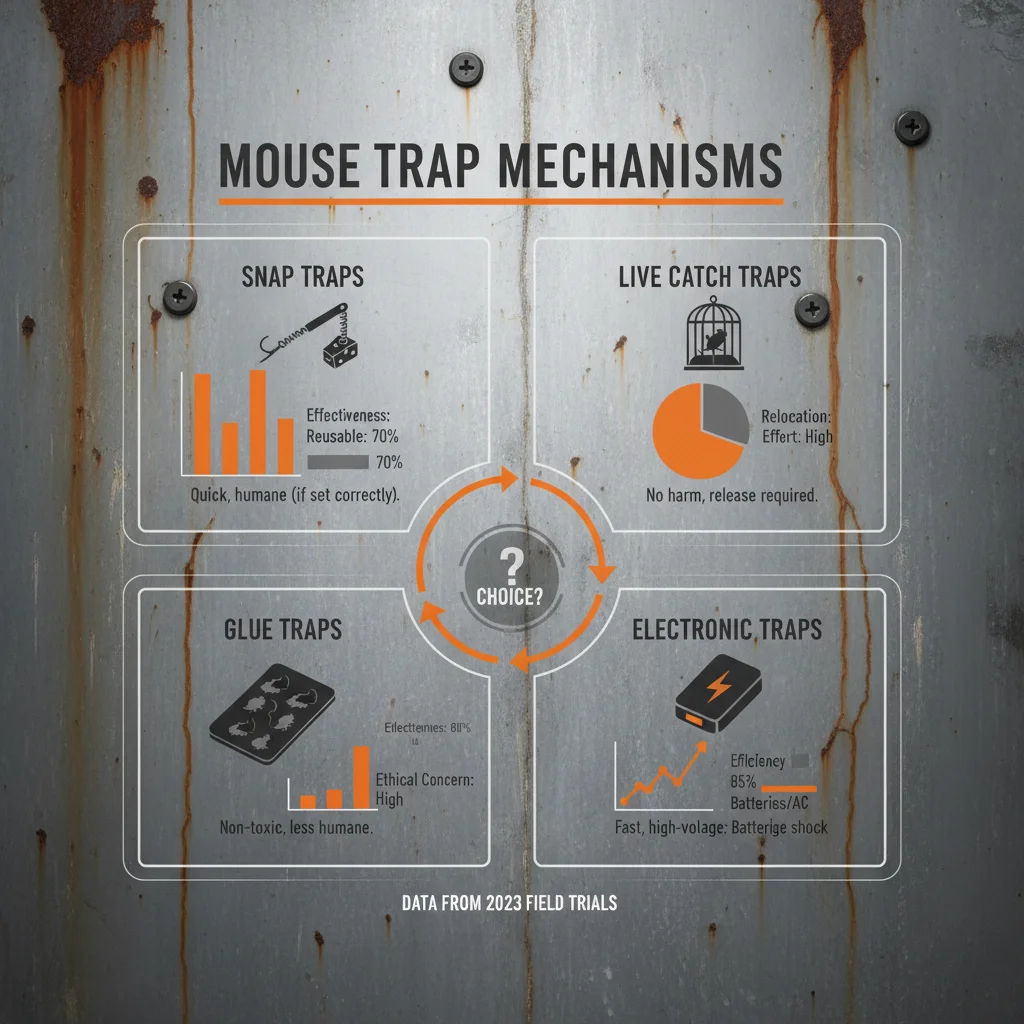
Animal Trap Cage Effectiveness by Method
Advantages and Long-Term Value of Utilizing Animal Trap Cages
The advantages of employing animal trap cages are numerous. Firstly, they offer a humane solution for managing wildlife, minimizing stress and injury to captured animals. Secondly, they provide a cost-effective alternative to more drastic measures like lethal control. The long-term benefits extend to public safety and ecosystem health.
From a sustainability standpoint, well-maintained animal trap cages can be used for many years, reducing the need for frequent replacements. Ethically sourced and durable materials contribute to their longevity. The ability to safely relocate animals also supports biodiversity and helps maintain balanced ecosystems.
Future Trends in Animal Trap Cage Technology
Innovation in animal trap cage technology is focusing on several key areas. Smart cages equipped with remote monitoring and notification systems are emerging, allowing for timely intervention and reducing the need for constant physical checks. The integration of AI-powered species recognition technology will enable targeted trapping, minimizing bycatch of non-target animals.
Materials science is also playing a role, with the development of lighter, stronger, and more animal-friendly cage materials. Biometric locking mechanisms and self-sanitizing features are also being explored. These advancements promise to improve efficiency, reduce stress on animals, and enhance the overall effectiveness of animal trap cage programs.
Challenges and Solutions in Animal Trap Cage Implementation
Despite their benefits, implementing animal trap cage programs can present challenges. Bycatch, the unintentional capture of non-target species, is a common concern. Improper cage placement and bait selection can exacerbate this issue. Another challenge is ensuring the humane treatment of captured animals, including providing adequate food, water, and shelter.
Solutions include using species-specific cage designs, carefully selecting bait, and implementing regular monitoring protocols. Education and training for trap operators are also crucial. Collaboration with wildlife experts and ethical review boards can help minimize the risk of adverse impacts. animal trap cage effectiveness relies on responsible implementation.
Furthermore, addressing the issue of public perception and ensuring compliance with local regulations are essential for the successful and sustainable implementation of animal trap cage programs.
Analysis of Animal Trap Cage Performance Across Key Dimensions
| Cage Material Durability |
Species Specificity |
Ease of Operation |
Animal Welfare Index (1-10) |
| Galvanized Steel |
Raccoon/Opossum |
8/10 |
7 |
| Heavy-Gauge Wire Mesh |
Squirrel/Chipmunk |
7/10 |
6 |
| Stainless Steel |
Feral Cat |
9/10 |
8 |
| Coated Wire |
Skunk |
6/10 |
5 |
| Reinforced Mesh |
Fox/Coyote |
7/10 |
6 |
| Lightweight Alloy |
Small Birds |
5/10 |
4 |
FAQS
For raccoons, a cage measuring at least 32" x 12" x 12" is generally recommended. This provides enough space for the raccoon to enter comfortably without feeling overly cramped. However, the exact size may vary depending on the size of the raccoons in your area. It’s crucial to choose a cage strong enough to withstand their attempts to escape, as raccoons are intelligent and resourceful animals. Always check local regulations regarding trapping.
You should check your animal trap cage at least twice daily, ideally morning and evening. This is vital for ensuring the animal doesn't suffer from prolonged stress, dehydration, or exposure to the elements. Some jurisdictions have specific regulations regarding checking intervals, so it's essential to be aware of and comply with local laws. Prompt removal of the animal also reduces the risk of it injuring itself trying to escape.
The best bait depends on the animal you are trying to trap. For raccoons, sweet foods like marshmallows, peanut butter, or canned sardines work well. For squirrels, nuts and seeds are effective. For cats, strong-smelling canned fish or wet cat food are good choices. Avoid using toxic or harmful substances as bait. Place the bait towards the back of the cage to encourage the animal to enter fully, triggering the trap.
Trapping regulations vary significantly by state, county, and even city. It is crucial to check with your local wildlife agency or animal control department before setting any traps. Some areas require permits, restrict the types of traps allowed, or prohibit trapping altogether. Violating trapping laws can result in fines and other penalties. Responsible trapping starts with understanding and complying with local regulations.
Minimize stress by checking the trap frequently (twice daily). Cover the cage with a blanket or tarp to provide a sense of security. Avoid loud noises or sudden movements near the trap. If possible, relocate the animal as quickly as possible. Provide water, especially during hot weather. Handle the animal gently and respectfully, and avoid prolonged confinement. The goal is to capture and release the animal with minimal trauma.
If you accidentally capture a non-target animal, release it immediately and carefully. Avoid handling the animal directly if possible. If the animal is injured, contact a local wildlife rehabilitator for assistance. Review your bait and trap placement to determine why the non-target animal was attracted and make adjustments to prevent future occurrences. Responsible trapping involves minimizing bycatch.
Conclusion
In conclusion, animal trap cages represent a vital tool for wildlife management, conservation, and human-animal conflict resolution. Their effectiveness hinges on selecting the appropriate cage for the target species, implementing responsible trapping practices, and adhering to local regulations. From humane capture to successful relocation, animal trap cages offer a balanced approach to managing wildlife populations.
Looking ahead, continued innovation in cage design and technology will further enhance their efficiency and animal welfare benefits. By embracing best practices and prioritizing ethical considerations, we can ensure that animal trap cages continue to play a crucial role in maintaining healthy ecosystems and fostering harmonious coexistence between humans and wildlife. Visit our website at www.hbarcherfish.com to learn more about our animal trap cage solutions.