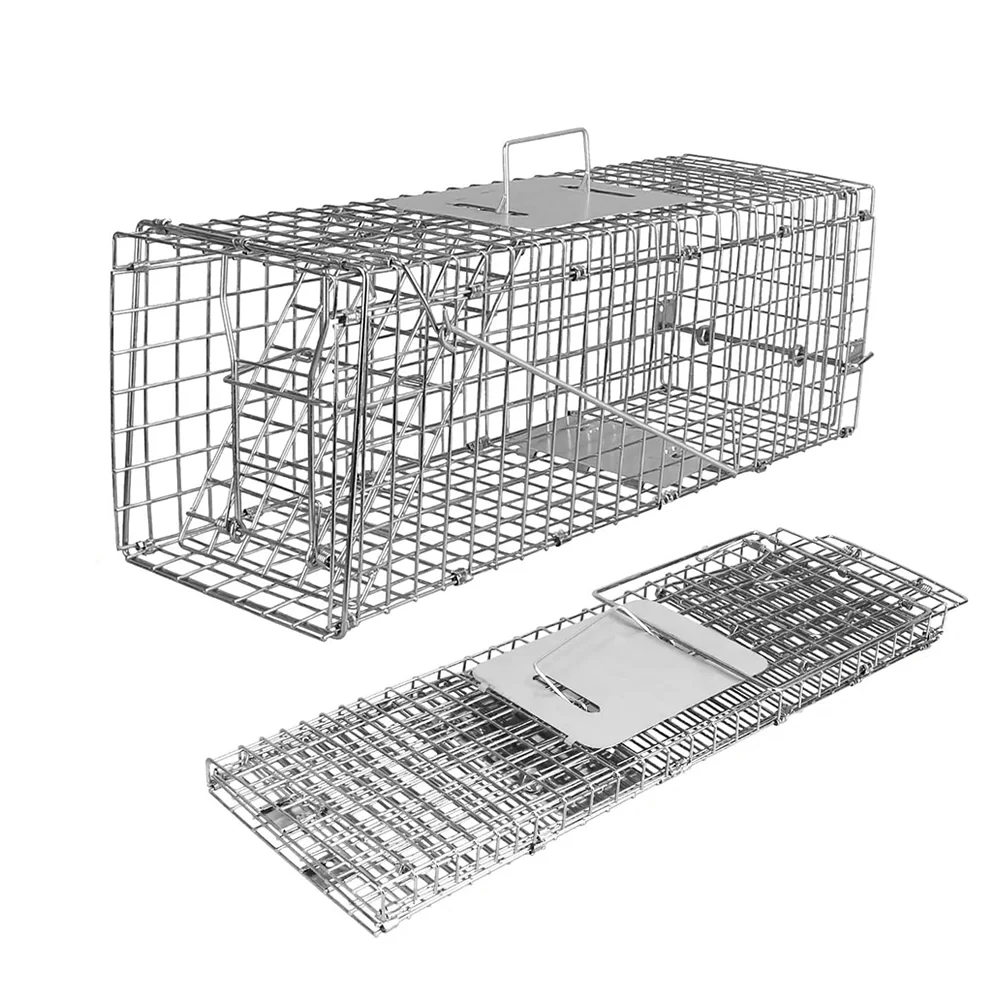
Animal traps, often associated with wildlife management or pest control, represent a surprisingly versatile tool with applications extending far beyond their traditional scope. Increasingly, the principles behind effective and humane animal trap design are informing innovations in disaster relief, remote infrastructure monitoring, and even security systems. Understanding the core mechanics, materials, and ethical considerations surrounding animal trap technology is crucial for professionals across diverse fields seeking sustainable and impactful solutions. The development and application of animal trap is a vital field, touching upon conservation, humanitarian aid, and technological advancement. From tracking endangered species to protecting agricultural yields, the ability to remotely and efficiently manage interactions with wildlife is paramount. Simultaneously, the rise of unpredictable weather patterns and increased geopolitical instability demand resilient infrastructure and proactive safety measures – areas where animal trap technology can contribute significantly.
Animal control has become a daily concern for homes, farms, shops, and warehouses. From mice in kitchens to small animals in gardens, people want solutions that are simple, effective, and easy to understand.
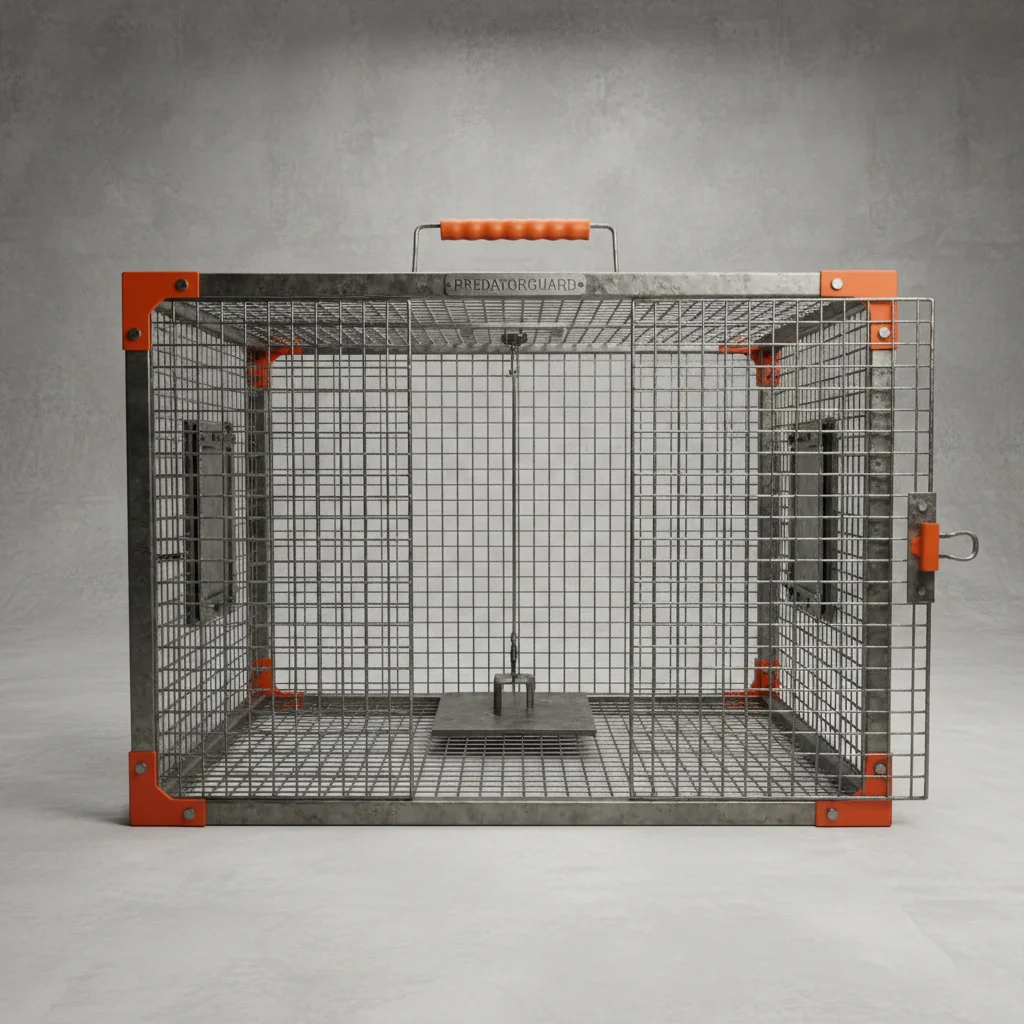
The innovative application of cage trap technology is rapidly evolving, offering solutions to diverse challenges across multiple sectors. Initially conceived for animal control, its principles are now being adapted to address critical needs in disaster relief, temporary housing, and secure logistics. Understanding the fundamentals of cage trap construction and deployment is vital for organizations and individuals seeking rapid, cost-effective, and adaptable solutions. Globally, the demand for flexible and quickly deployable infrastructure is escalating due to increasing natural disasters, humanitarian crises, and the need for adaptable workspaces. Cage trap systems, offering inherent portability and modularity, provide a compelling alternative to traditional construction methods, which are often slow, expensive, and environmentally impactful. According to the UN Office for Disaster Risk Reduction, the number of recorded disaster events has increased fivefold over the past 50 years, underscoring the urgent need for resilient and rapidly deployable solutions.